martedì 30 Dicembre 2025
Home Blog Pagina 3909

United arab emirates: in the Uae ready for the third wave of coffee?

0
Uae

MILAN – Coffee and tea consumption in the Arab world has more than tripled over the last decade with the UAE registering an 85 per cent increase during the last three years alone.

Last year, the world consumed more than eight million metric tons of coffee — that’s 2.4 percent more than the previous year. According to the latest coffee statistics from the International Coffee Organization (ICO), on a global scale, about 1.4 billion cups of coffee are poured a day. Jose Settee, Head of Operations at the ICO said; “It’s that new consumers are being turned onto the bean.

Even when times are hard, people still drink coffee. And the growth in coffee consumption these days occurs much more in emerging markets, which are bearing up much better under this economic turbulence than in the developed world.”

UAE has been the fastest growing market by volume for coffee in the world with coffee volume sales expected to register an 80 per cent growth from 2009-2014, or a compound annual growth rate (CAGR) of more than 12 percent year on year over the same period.

The UAE has likewise been a key tea trading partner, with nearly 18,000 tons of tea re-exports in 2010-2011 alone.

The UAE serves as an ideal host of the 2012 International Coffee & Tea Festival as it maintains the highest average consumption of coffee and tea beverages in the region.

With a per capita consumption of 3.5 kilograms each year. UAE residents drink nearly twice as much coffee as people in any other GCC country. While tea consumption in the country has likewise achieved a robust growth rate of 47 per cent.

Tea for all the reasons

Tea drinking habits in UAE and across the region have also evolved over the years. With the introduction of a much wider variety of teas; including new tea blends that combine more than one type of premium tea. And the discovery of the health benefits of tea for people suffering from cancer; heart disease; diabetes; weight problems; cholesterol and other illnesses.

Complementing the evolving market trends, the International Coffee & Tea Festival;will include a B2B Trade Show and a concurrent B2C section. To cater to all stakeholders of the coffee and tea industry.

The B2B Trade Show will gather international suppliers. Who will be sourcing regional partners. As well as businesses looking at growing their distribution network in the region.

The B2C section, titled ‘The Café Exchange’ will attract retailers; distributors; and coffee shops looking; to leverage the Festival’s expansive market reach. To generate optimum brand exposure and sell directly to consumers.

In association with the Specialty Coffee Association of America (SCAA); the International Coffee & Tea Festival will also feature professional workshops and certification programmes; conducted by SCAA lead trainers from around the world.

The UAE Barista Championship

Remains one of the Festival’s key attractions. As it will gather the UAE’s best coffee makers. To determine the country’s representative at the World Barista Championship 2013 held in Melbourne, Australia.

In addition, the 1st National UAE Latte Art Championship will debut this year at the Festival. Showcasing a creative expression of talent within the UAE; the competition will also determine the UAE’s representative at the World Latte Art Championship 2013 held in Nice, France.

Regional and international industry gurus and trade professionals will be conducting free-to-attend seminars and workshops at the International Coffee & Tea Festival, while participants will also benefit from wide ranging programs being offered including franchising opportunities, first steps to opening a café business, design tips for café owners, mobile cafés and distribution opportunities.

Ryan Godinho, Event Director of the International Coffee & Tea Festival, said: “The underlying factor and defining point of the entire event is its emphasis on quality and advancements in the coffee, tea and café business.

Featuring a whole range of equipment

Products and service providers, the International Coffee & Tea Festival along with the accredited Championships creates a hype and atmosphere unique to the café industry.

Part of this year’s initiative also elaborates on what is commonly referred to as ‘the third wave of coffee’. Which is the movement of coffee from just ‘a commodity’ to ‘a specialty and artisan product’.”

The third wave of coffee

Also focuses on bean origins and low-tech brewing techniques that preserve the integrity of the beans. Boutique coffee brands that are supporting the movement are likewise showing greater concern towards Corporate Social Responsibility. Through their partnership and support of various charitable institutions.

This and other topical issues will be discussed at the 2012 edition of the “International Coffee & Tea Festival”

The only dedicated event for the coffee, tea and café industry in the Arab world that will run from October 30 to November 2, 2012, at the Meydan Grandstand and Convention Centre in Dubai.

Anthony Bedoyan, Marketing Manager, La Marquise International, said: “La Marquise International is excited to be part of the International Coffee & Tea Festival 2012.

We had a very successful participation in 2011. And we are looking forward to once again leverage the Festival. As a very effective and ideal platform. To create awareness about our company and our core offerings.

The event brings together key players in the industry allowing for networking opportunities with old and new clients and industry professionals. Our mission this year is to increase awareness of our brands. And introduce new products. While meeting professionals and people passionate about coffee and tea. To help grow the industry as a whole.

Overall the festival creates a great atmosphere, attracts the right people, helps grow the coffee & tea industry in the region and that’s what we want to be a part of.

IC&E, organizers of the International Coffee & Tea Festival are also licensed as the National Body for the UAE through World Coffee Events; sanctioning a total of 7 categories of National Level Coffee Championships.

 Under the banner of UAE Coffee Events, IC&E will continue to host the annual UAE Barista Championship and the UAE Latte Art Championship and will gradually introduce the new competitions as the local café industry matures.

Source: International Coffee & Tea Festival, press release

Jamaica: Sandy caused serious damage to the coffee industry

0
Jamaica Sandy

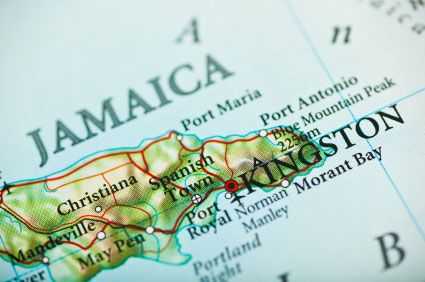
MILAN – Hurricane Sandy has caused an estimated damage of 150 million dollars to the Jamaican coffee industry, local media report.

According to the President of the Jamaica Agricultural Society, or JAS, Senator Norman Grant, the storm which damaged roads and felled trees on plantations, left over 20% of the crop on the ground.

The most severe damage was reported in Portland. Farms in St. Thomas and St Andrew were also damaged, Senator Grant declared.

Angola: coffee production affected by lack of rainfall

0
coffee angola

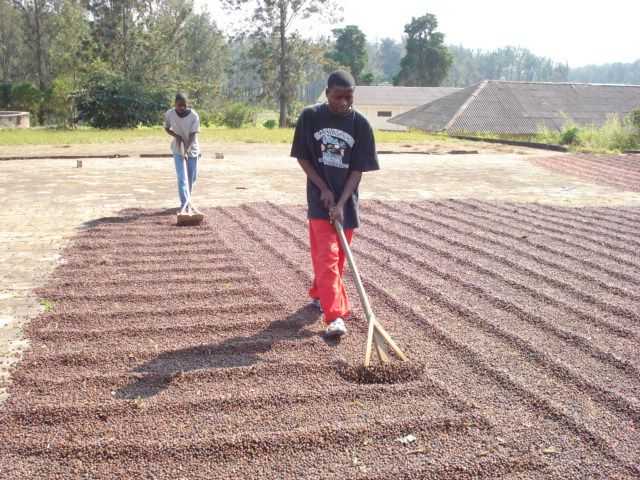
MILAN – Coffee harvest in the Angolan province of Kwanza Sul totalled 2,400 tons of coffee in the June-October, said the director of the National Coffee Institute (Inca) Magalhães Lourenço in an interview with the Angolan news agency Angop.

This is 137 tons less than in the previous campaign. The drop in production was due to a lack of rainfall; which had led to the coffee beans ripening in poor conditions.

The biggest production level was recorded in the municipality of Amboim; with 1,463 tons of commercial coffee, followed by Libolo with 812 tons and by Kilenda with 67 tons.

Shipments declined 27% in September in Ecuador

0
Ecuador

MILAN – According to Ecuador’s National Coffee Council, or Cofenac; the coffee exports from the South American nation fell 27% on month in September to 126,290 60-kilogram bags.

Revenue decreased 29% to $21.98 million.

This compares with 164,031 bags of coffee exported in September 2011 earning a total of $33.43 million.

From the web: Pac Workshop benefits farmers in Nicaragua

0
nicaragua

MILAN – This past September, Dr. Marco Palma and Dr. Mark Welch from Texas A&M AgriLife Extension Service, held a two day workshop for coffee marketing agents from the Pueblos en Accion Comunitaria (Pac) association in Nicaragua.

The workshop was coordinated by Johanna Roman, Regional Director for Latin America at the Borlaug Institute for International Agriculture, and was designed to give participants from PAC an introduction to futures and options markets.

“With the volatility in commodity prices, specifically coffee, we tried to provide an overview of how futures markets can reduce price risk.  This is especially important if you are contracting to buy the physical product for later delivery.  ” Dr. Welch said.

Both Extension experts agreed, there are two different types of markets: the regular cash market and the futures market where one buys or sells the right of contracts for coffee.

The goal of their training program was to bring a perspective of the global coffee market, in which PAC is becoming more involved. Participants were specifically interested in learning about  risk management tools that could allow them to become more organized from one season to the next.

PAC, has been associated with the Borlaug Institute for about a year. The NGO was established  in the early 1990’s with a goal of providing agribusiness services to micro and small farmers in Nicaragua.

“Typically, the farmers grow coffee, cacao and tropical tuber crops like cassava and malanga, and some are beginning to grow  Asian vegetables. PAC also has a small livestock program and a micro-credit program,”  Mr. Kirk Funkhouser, PAC Business Consultant, said.

Over the past decade

PAC has made remarkable improvements to agricultural efficiency in Nicaragua. PAC was able to export 80 containers of coffee last year, due to PAC involvement as a supplier to Starbucks.

There were 12-13 people in the training, all of them  part of an association of coffee growers” Dr. Palma said.

“Their initial reaction was that they are very interested in new marketing strategies” Dr. Palma said. At the end of the workshop, the participants wanted copies of the handouts and slides, both in English and Spanish.

Based on their reactions, both Dr. Palma and Dr. Welch felt they were able to effectively communicate information about pricing alternatives and marketing strategies to continue to increase efficiency in marketing Nicaraguan agricultural products.

These strategies were specifically tailored from training programs for cotton, corn, and rice in the United States and adapted to make them relevant to coffee production in Nicaragua.

“I was so impressed by their thirst for information. We take resources for granted here at the university. If we can provide follow up, I would love to go back.” Dr. Welch said.

Roman stated that the relationship between the Borlaug Institute and PAC will be strengthened in the near future. PAC will be offering internship opportunities for Texas A&M University students and another AgriLife Extension specialist will be conducting a new technical assistance program for PAC in a few weeks.

Source: The Borlaug Institute

Canada: Imperial Coffee and Services Inc. wins Third Environmental Award

0

TORONTO Ontario – Imperial Coffee and Services Inc. the Toronto and Southern Ontario market leader in office coffee, vending and water services for more than 35 years, today announced it has won the coveted Green Award from The Law Office Management Association (TLOMA) for being their most environmentally responsible business partner.

This is then first time

And just the latest evidence of how seriously we take our commitment to the environment,” said Mark Steiner, President of Imperial Coffee and Services Inc.

Imperial Coffee and Services Inc.

Has long been the industry leader on the environment. Most recently, the company announced its Ottawa office had become 100% bulfrogpowered.

This means Bullfrog Power’s generators inject clean, renewable electricity onto our regional grid to match the amount of power Imperial Coffee and Services Inc. uses.

In April, Imperial Coffee and Services announced it had joined a worldwide movement to “outsmart waste” through the TerraCycle program, which converts waste material into a wide variety of products and materials.

Imperial Coffee and Services Inc.’s “go green” mandate already provides customers with aggressive options in the areas of responsibility, sustainability and minimization of waste. Among many initiatives are: bio-degradable packaging, re-cycling brewers and filter packs, and using Greenware cold drink cups.

The Imperial Coffee and Services warehouse uses energy-efficient radiant heating. The company has also purchased carbon credits to partially offset emissions from its participation at a conference.

Imperial Coffee and Services Inc. offers Fair Trade and sustainable coffee from such leading suppliers as Starbucks, Timothy’s and Mars Drinks. Imperial Coffee also offers its own private label Fair Trade and sustainable coffee.

About Imperial Coffee and Services Inc. Imperial Coffee and Services Inc. is a family-owned coffee, vending and water supply company that serves workplaces with more than 15 employees.

Founded in 1974
It has long been the market leader for office coffee services in Toronto and Southern Ontario. Imperial Coffee and Services Inc. takes great pride in offering outstanding products and customer service and is equally proud that 29 of its 124 employees have been with the company for more than 20 years.

Strauss in initial talks to sell Russia coffee activity

0
Strauss Coffee mercati strauss-group Strauss vendite Il logo di Strauss Grou
Il logo di Strauss Group

MILAN – Israeli food corporation Strauss Group is conducting negotiations for the sale of its coffee activity in Russia, Israeli and international media report.

The negociations are underway with a strategic buyer.

The parties have yet to sign an agreement and are currently conducting due diligence.

Russia currently accounts for a fifth of Strauss’s coffee sales, and a tenth of the company’s total revenue.

If a deal is signed, Strauss is expected to gain over $200 million.

The reason for Strauss’s decision to sell is unknown. Strauss has declined comments on the matter.

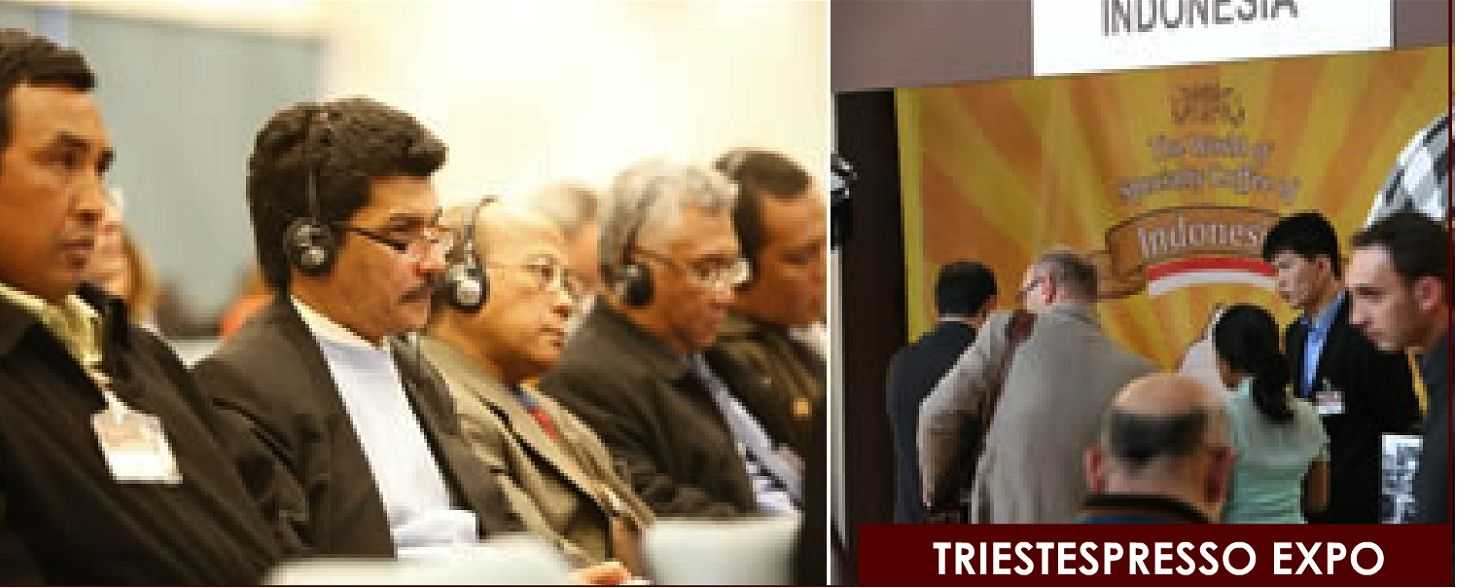
TRIESTESPRESSO EXPO – IL CONVEGNO D’APERTURA

0

TRIESTE – Dai rilievi del Minas Gerais in Brasile alle alture dei Ghati (in inglese Western Ghats) sono una catena montuosa ad ovest nella penisola indiana); dai picchi innevati  dei massicci africani alle isole dell’Indonesia. Il convegno inaugurale di Triestespresso Expo ha fatto viaggiare il pubblico di addetti ai lavori. Quello accorso al padiglione H della fiera di Montebello; attraverso i molteplici microcosmi del mondo del caffè.

Un percorso tra mito e storia, tradizione e innovazione,;eccellenze e problemi dei mille universi che compongono la variegata realtà dei paesi produttori.

Tappa iniziale: naturalmente, Trieste.

Al presidente Massimiliano Fabian, il compito di fare gli onori di casa. E di fornire un breve excursus nel passato e nel presente della filiera triestina.

Un’occasione per evocare la storia delle grandi dynasty locali del caffè. Con i loro valori e loro saperi. Un patrimonio di umanità, di competenze e di rapporti (“la Trieste del caffè è anche un ambiente di amici”); che si rinsaldano quotidianamente tra le persone e con il territorio.

Come pure per ricordare la storica Associazione degli interessati nel commercio del caffè. Che è la terza più antica d’Europa dopo Amburgo e Amsterdam. Ed è la diretta progenitrice dell’attuale Assocaf. Che già nel suo statuto originario del 1891 esprimeva una forte vocazione internazionale.Riflesso del cosmopolitismo della Trieste austroungarica.

Il presente?

Quello di un distretto del caffè con un fatturato aggregato di circa mezzo miliardo di euro. Circa la metà del fatturato del comparto industriale giuliano. E di un porto che ha sdoganato oltre 2,1 milioni di sacchi nel 2011. Cui vanno aggiunti 1,7 milioni in transito e circa 800mila sacchi in giacenza nei magazzini dello scalo adriatico.

Trieste Coffee Cluster

l’Agenzia per lo Sviluppo del Distretto del Caffè – è nata nel 2008 con l’intento di fare sistema in questo peculiare tessuto produttivo. Che da lavoro a oltre 900 addetti.

“Il sistema normativo ci impone una gabbia territoriale” ha spiegato il presidente dott. Furio Suggi Liverani. Ma mission e vocazione proiettano Ttc in una dimensione sempre più globale.

Le nuove iniziative del piano triennale sono state esposte la scorsa primavera; nello scenario suggestivo del Magazzino 26 del Porto Vecchio; nell’ambito dell’evento Trieste Capitale dell’Espresso. Che ha riunito attorno a un tavolo politici e imprenditori per discutere di progetti condivisi. Volti a valorizzare l’immagine della città sotto il profilo imprenditoriale; turistico e occupazionale. E ad accrescerne l’esposizione e la visibilità internazionale.

Tcc ha dato un importante contributo anche a Trieste Next, il primo Salone europeo dell’Innovazione e della Ricerca Scientifica. Che si è svolto a fine settembre, dove una delle quattro macroaree era intitolata “Tutto sul caffè”. E sempre, nell’ambito di questa manifestazione, ha co-organizzato l’evento “Food & Nutrition: Technology Dating“.

Si guarda inoltre sin d’ora alle possibili sinergie. Che potrebbero scaturire nell’ambito della candidatura di Venezia. Quale capitale della Cultura Europea per il 2019.

Un ulteriore capitolo importante e quello della cooperazione internazionale. Con in primo piano il progetto Icte – Indian Cup Tasting for Espresso. Promosso da Tcc e finanziato in buona parte dalla Regione Friuli-Venezia Giulia.

Il suo obiettivo?

Creare un modello di trasferimento di know how relativo alla filiera della caffè. In particolare attraverso la formazione sulle metodologie di assaggio delle miscele per espresso. Principalmente attraverso visting study e e-learning. Per sviluppare figure professionali direttamente nei Paesi produttori.

Il progetto è stato varato nei mesi scorsi e avrà una durata di 18 mesi.

Promuovere il valore

Attraverso la qualità, la salubrità, la sostenibilità.

Decommodittizzare il prodotto caffè

Attraverso programmi specifici rivolti in particolare ai piccoli produttori, con l’Ico a fornire assistenza e know-how.

Sono le due direttrici cardine del Programma 2012-15 del piano delComitato promozione e sviluppo del mercato. Che è stato approvato il mese scorso dal Consiglio internazionale del caffè nel corso della sua 109a sessione.

Anna Illy

Il compito di illustrarlo è spettato a Anna Illy, in qualità di assistente e rappresentante del presidente del Comitato Andrea Illy.

Muovendo da un approccio olistico, il programma segna un deciso shift. Dalla promozione dei consumi alla promozione dei valori. E della differenziazione attraverso la creazione di una rete multistakeholder di partner del settore privato.

Healthcare Professions

È prevista la prosecuzione dei programmi di divulgazione già iniziati. Come l’ Healthcare Professions – Coffee Education Programme (HCP-CEP) . E il varo di ulteriori iniziative analoghe.

Verranno inoltre predisposti dei manuali sulle migliori pratiche agricole. Con l’intento di migliorare la qualità; nonché la sostenibilità economica; sociale e ambientale dei produttori. E da diffondere, in particolare, in occasione dei più importanti appuntamenti di settore.

Tutte le azioni proposte si affiancheranno sinergicamente a quelle dei progetti già approvati dall’Ico.

Claim olistico

Il piano prevede infine l’elaborazione di un claim olistico. Ispirato ai valori positivi del caffè (piacere, salute, sostenibilità e varietà). Che i partner saranno invitati a utilizzare in tutte le loro comunicazioni.

Il comitato sarà presente ai massimi eventi specializzati, comprese le convention annuali Scae e Nca; i festeggiamenti per il cinquantenario dell’Ico; l’edizione 2014 di Triestespresso Expo 2014 e il “Coffee Cluster” di Expo 2015.

Conferenza Mondiale del caffè a Milano

Per quest’ultimo appuntamento, un’ipotesi suggestiva: quella di svolgere la prossima Conferenza mondiale del caffè proprio nell’ambito della grande esposizione milanese.

Con un consumo interno attestato attorno ai 3,3 milioni di sacchi nelle due annate trascorse, l’Indonesia si accinge a scavalcare l’Etiopia.

E diventare il secondo consumatore mondiale di caffè nel gruppo dei paesi produttori, alle spalle del solo Brasile.

Dati significativi per un paese dove il tè è la bevanda nazionale. Anche se non va dimenticato che abbiamo a che fare con una nazione di quasi 240 milioni di abitanti.

Come ha spiegato l’incaricato d’affari dell’Ambasciata d’Indonesia a Roma Priyo Iswanto, queste cifre riflettono i gusti di una nuova middle class emergente. Si tratta di circa 7 milioni di persone entrano ogni anno in Indonesia a far parte del ceto medio. Fascia di popolazione molto sensibile al lifestyle occidentale.

Alla domanda interna in crescita ha fatto riscontro, negli ultimi due anni, un calo della produzione. Dai picchi storici del 2009/10, cui ha contribuito l’andamento climatico sfavorevole.

Un trend che si punta a invertire negli anni a venire. Proseguendo nelle politiche di valorizzazione delle variegate realtà economiche e produttive; coesistenti nell’ambito del comparto indonesiano.

Gli interventi prevedono, in particolare, l’espansione delle superfici coltivate; il rinnovo; la riabilitazione o la riqualificazione delle piantagioni; la diffusione di materiale genetico selezionato (fondamentale l’opera svolta dall’Iccri – Indonesian Coffee and Cocoa Research Institute di Jember, Java); la promozione dell’associazionismo.

Guatemala

Un paese nel quale le dinamiche associative hanno trovato un terreno fertile è invece il Guatemala. Dove la coltura del caffè, pur estendendosi su appena il 2,5% della superficie nazionale; riveste tuttora un ruolo chiave nell’economia agricola del paese.

Su un totale di 90mila, i piccoli produttori sono circa 50mila; di cui 35mila fanno capo al movimento cooperativistico.

Sei le regioni di produzione, che abbracciano i territori di 204 dei 333 comuni guatemaltechi.

Una realtà importante dell’universo caffeicolo latino americano. Il Guatemala ha prodotto l’anno scorso circa 3,75 milioni di sacchi. Per presentare la situazione si è scomodato lo stesso ambasciatore del Guatemala in Italia Alfredo Trinidad Velásquez; coadiuvato, sugli aspetti più specifici, da Italo Antoniotti; rappresentate dei piccoli produttori nel board di Anacafé.

Assente giustificato, per gravi motivi familiari, il presidente dell’associazione Ricardo Villanueva. Che ha comunque tenuto a far pervenire il suo saluto al convegno triestino.

Le certificazioni

Antoniotti ha rivendicato il ruolo pionieristico del suo paese nelle campo delle certificazioni; con lo sbarco della piattaforma Fairtrade già nel lontano 1974. Sono arrivate in seguito tutte le label più note; comprese Rainforest, Utz e, più di recente, da 4C..

Nella presentazione delle eccellenze guatemalteche non poteva mancare una parentesi dedicata alla regione di Huehuetenango (noto presidio Slow Food). E al noto concorso Cup of Excellence, attivo qui dal 2011.

Sottolineato infine il ruolo svolto da associazioni e federazioni dei produttori nel marketing di prodotto sui mercati internazionali. E il supporto tecnico fornito nella lotta contro le avversità agricole. In particolare la recente recrudescenza della ruggine del caffè.

Quanto esporta il Guatemala verso l’Italia?

Relativamente poco (164mila sacchi nel 2011). E anche per questo Triestespresso Expo 2012 ha costituito un’importante opportunità commerciale.

L’India

L’Italia si riconferma, in compenso, il principale mercato dell’India. Che con oltre 1 milione di sacchi esportati è stata, nel 2011; il terzo fornitore del nostro paese, dopo Brasile e Vietnam.

Poi Yenugula Raghuramulu – Joint Director Research presso il Coffee Board of India, l’ente paragovernativo che coordina le attività di settore. Ha ricordato che la storia del caffè indiano affonda le sue secolari radici nel mito di Baba Budan. Era il mistico vissuto nel XVII secolo. Cui si deve, secondo la leggenda, l’introduzione dei primi semi di coffee arabica nel subcontinente.

Il comparto del caffè indiano dà lavoro oggi a oltre mezzo milione di persone, con una prevalenza nettissima della piccola proprietà.

Ma il secondo paese asiatico si sta affermando sempre più anche come mercato consumatore.

Dopo un periodo di sostanziale stagnazione nella seconda metà degli anni novanta, la domanda interna ha avuto forte impulso. Con l’inizio del nuovo millennio passando dalle 60mila tonnellate del 2000 alle 115mila attuali. Con una crescente diffusione della bevanda anche al di fuori delle aree tradizionali del sud.

Il Brasile

Molto nutrita e dinamica la rappresentanza della Bsca, Brazil Specialty Coffee Association. Che ha partecipato in forze alla kermesse triestina.

Il direttore esecutivo Vanusia Nogueira ha presentato le attività dell’associazione. E si soffermata quindi su alcuni interessanti trend del mercato brasiliano. Ad esempio, quello dei micro-lotti di caffè venduti in esclusiva a singole caffetterie. I cui consumi medi pro capite si avvicinano ormai a quelli dell’Italia.

Dal Minas Gerais

Ivan Barbosa Netto ha tracciato un profilo del Minas Gerais, massimo stato produttore brasiliano, un’area in impetuoso sviluppo. Che offre straordinarie opportunità di investimento in tutti i settori.

Dai grandi numeri dell’agribusiness brasiliano alle peculiarità uniche del territorio salvadoregno; dove il 95% della produzione avviene con coltura ombreggiata. Nel rispetto di uno straordinario ambiente naturale.

El Salvador

Benjamin Reinaldo Monge Ramos, del Consejo Salvadoreño del Café, ha tracciato un interessante identikit di settore. Sottolineando gli importanti progressi compiuti in tempi recenti nell’integrazione della filiera. E nella valorizzazione commerciale del prodotto.

El Salvador sarà anche alla ribalta della prossima convention Scaa, in programma a Boston il prossimo aprile, alla quale parteciperà come nazione in primo piano.

Tanzania

Dedicate all’Africa le ultime due presentazioni. Adolph Kumburu, direttore generale del Tanzania Coffee Board, ha delineato visione e missione del Tcb.

In Tanzania, il caffè è attualmente la terza cash crop dopo tabacco e cotone. L’Italia è il secondo mercato di esportazione dopo il Giappone.

Burundi

Interessante, in conclusione, la testimonianza di Jean Faustin Niyibizi, direttore finanziario e amministrativo dell’Arfic, l’organismo regolatore delBurundi.

Nel piccolo stato africano, il caffè è la principale voce dell’export e dà lavoro a 600mila famiglie.

Cup of Excellence

Le attività dell’Arfic sono rivolte principalmente alla modernizzazione e alla liberalizzazione del settore, all’assistenza tecnica e al miglioramento qualitativo. Da quest’anno, anche il Burundi ospita il concorso Cup of Excellence, promosso dall’Ace (Alliance for Coffee Excellence).

La funzione della scienza pura

La chiusura è spettata a Tonya Blowers di Twas (Third World Academy of Sciences, l’Accademia delle scienze per i paesi in via di sviluppo). Un’istituzione scientifica internazionale operante da quasi trent’anni con sede a Trieste.

Al centro del suo intervento un importante progetto per la creazione di competenze nel campo della ricerca sul caffè nei paesi produttori. Che punta, tra le altre cose, a promuovere la collaborazione sud-sud. Finanziando la formazione di laureati e dottori di ricerca.


Sandalj Trading Company, ha affidato al professor Graziosi e ai suoi collaboratori l’analisi del DNA del Jamaica Blue Mountain (JBM), uno dei caffè più ricercati e costosi

0
DNA analysis

Per la prima volta al mondo, sono stati certificati con la tecnica del fingerprinting i lotti, il cui genoma corrisponde esattamente al codice genetico del JBM


Il salone del Gusto di Torino del 2012

0
lavazza-petrini-katz convegno salone del gusto 2012
lavazza-petrini-katz

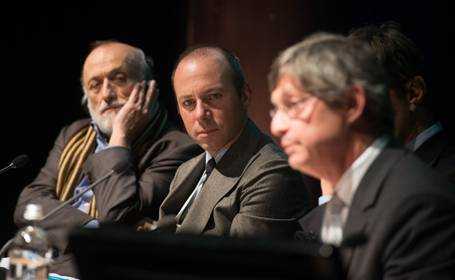
TORINO – Si è svolto il Convegno internazionale “Partners for Sustainability”, organizzato da Lavazza, partner storico del Salone del Gusto, per celebrare i 25 anni di attività della ONG Rainforest Alliance ed i 10 anni dalla nascita del Progetto ¡Tierra!

 ¡Tierra! nasce nel 2002, quando Lavazza decide di avviare un progetto di sviluppo sostenibile in tre comunità caffeicole dell’Honduras, della Colombia e del Perù.

Non solo coltivazione del caffè quindi, ma anche istruzione, salute, microcredito, formazione e qualità della vita, sono fra gli interventi effettuati all’interno delle comunità caffeicole coinvolte.

Rainforest Alliance è una delle principali ONG a livello mondiale che da ben 25 anni si impegna nella tutela dell’ecosistema attraverso programmi di agricoltura consapevole e supporto alle comunità le cui condizioni di vita dipendono dalla terra.

Rainforest Alliance è stata la prima ONG a coinvolgere alcune grandi multinazionali sul tema della tutela del pianeta. Da 10 anni questa ONG si è affiancata a Lavazza nella realizzazione del Progetto  ¡Tierra!.

Il convegno tenutosi alla presenza dei 4 relatori, il Vicepresidente dell’Azienda torinese Giuseppe Lavazza; il fondatore di Rainforest Alliance Daniel Katz; il Vicepresidente di Rainforest Alliance Ana Paula Tavares; il fondatore e Presidente SlowFood Carlo Petrini; moderati dal giornalista Oliviero Bergamini; è servito per fare un punto sullo stato attuale del progetto.

Nel commentare questo progetto, Carlo Petrini ha affermato che ¡Tierra! è un progetto da replicare anche per altre tipologie di alimenti. Ed un’ottima opportunità da parte di Lavazza di dare il suo contributo allo sviluppo sostenibile. Concludendo il convegno con lo slogan “1, 100, 1000 ¡Tierra!”; Petrini  ha indicato il progetto realizzato da Lavazza come esempio da seguire per molti.